



01
Cooling & airflow
Connect temperature and humidity readings to equipment response, airflow, and the approved sequence—not just a green graphic on a screen.
Sensor checks · fan and valve response · Test and Balance · trend review
Data centers / Commissioning & controls
Cooling, power, and controls have to work together. The test record should show how they respond—and what still needs attention.
Singh360 connects commissioning, controls, Test and Balance, and field verification—with clear test requirements, accountable issue resolution, and documented results.
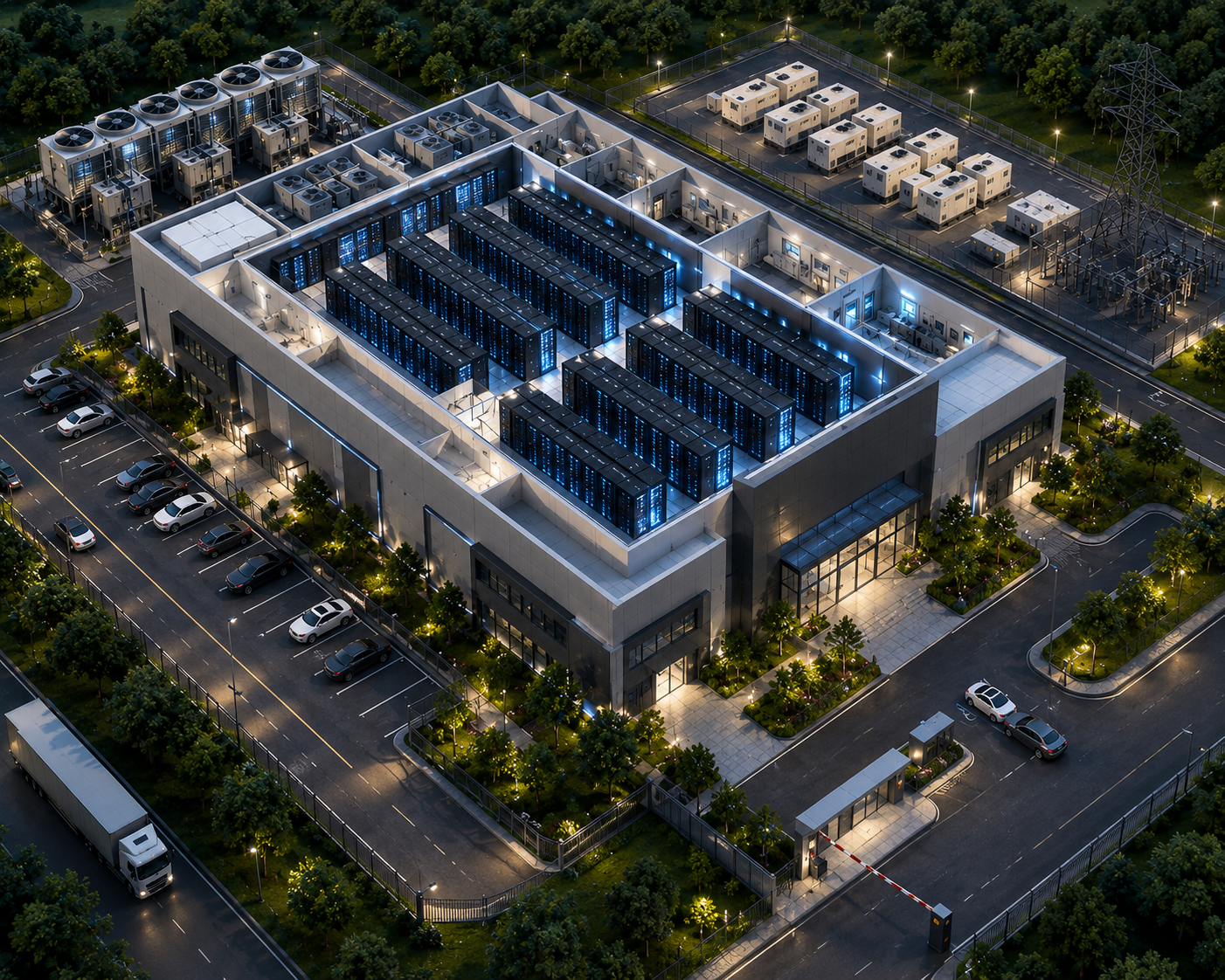
Follow the interfaces
Connect temperature and humidity readings to equipment response, airflow, and the approved sequence—not just a green graphic on a screen.
Sensor checks · fan and valve response · Test and Balance · trend review
Make equipment status, metering, and alarms understandable at the operator interface. Coordinate interface verification with qualified electrical testing teams.
Status mapping · meter units · alarm routing · event timestamps
Follow the signal from the field device to the controller and operator. Review points, sequences, trends, permissions, and communication-loss behavior within the agreed scope.
Point checkout · sequence review · graphics · integration boundaries
Support the lead commissioning team with witnessed checks, recorded observations, assigned findings, and retest evidence against an approved test plan.
Expected response · observed response · responsible party · retest
Manufacturer-neutral architecture
Building management, electrical monitoring, and infrastructure management serve different purposes. We start with the actual architecture and agreed interfaces—not a preferred controller brand.
Define who owns each signal, which system is allowed to command equipment, and where the operator sees an alarm. Monitoring access does not automatically mean control authority.
System information paths
Equipment, sensors, field controllers
Meters, equipment status, events
Building monitoring and automation
Electrical power monitoring
Operations visibility, asset and capacity context. Data center infrastructure management (DCIM) does not replace the underlying equipment controls.
From test plan to handover
Establish the owner’s requirements, system boundaries, acceptance criteria, responsibilities, and approved test conditions.
Scope + acceptance criteria
Tie each observation to the equipment, operating mode, timestamp, test step, and supporting measurement or trend.
Test record + field evidence
Assign the finding, capture the response, and keep unresolved conditions and their operating implications visible.
Issue owner + corrective action
Retest the affected function, document the result, and retain exceptions and handover records for the operating team.
Retest + documented disposition
Keep findings, ownership, field evidence, responses, and retest records connected with the Commissioning App.
Explore the Commissioning AppStart with a defined engagement
Review the available drawings, points, sequences, alarm requirements, and trends. Identify gaps and define the field checks needed.
Support an agreed package of controls checkout, cooling and airflow checks, functional-test documentation, and corrective-action tracking.
Investigate a defined control or cooling concern, correlate observations with trends, and document findings for the responsible operating team.
Share the project phase, systems involved, lead-team structure, and the operating questions you need answered. We’ll discuss a defined next step.