
1-530-636-0360
App Login
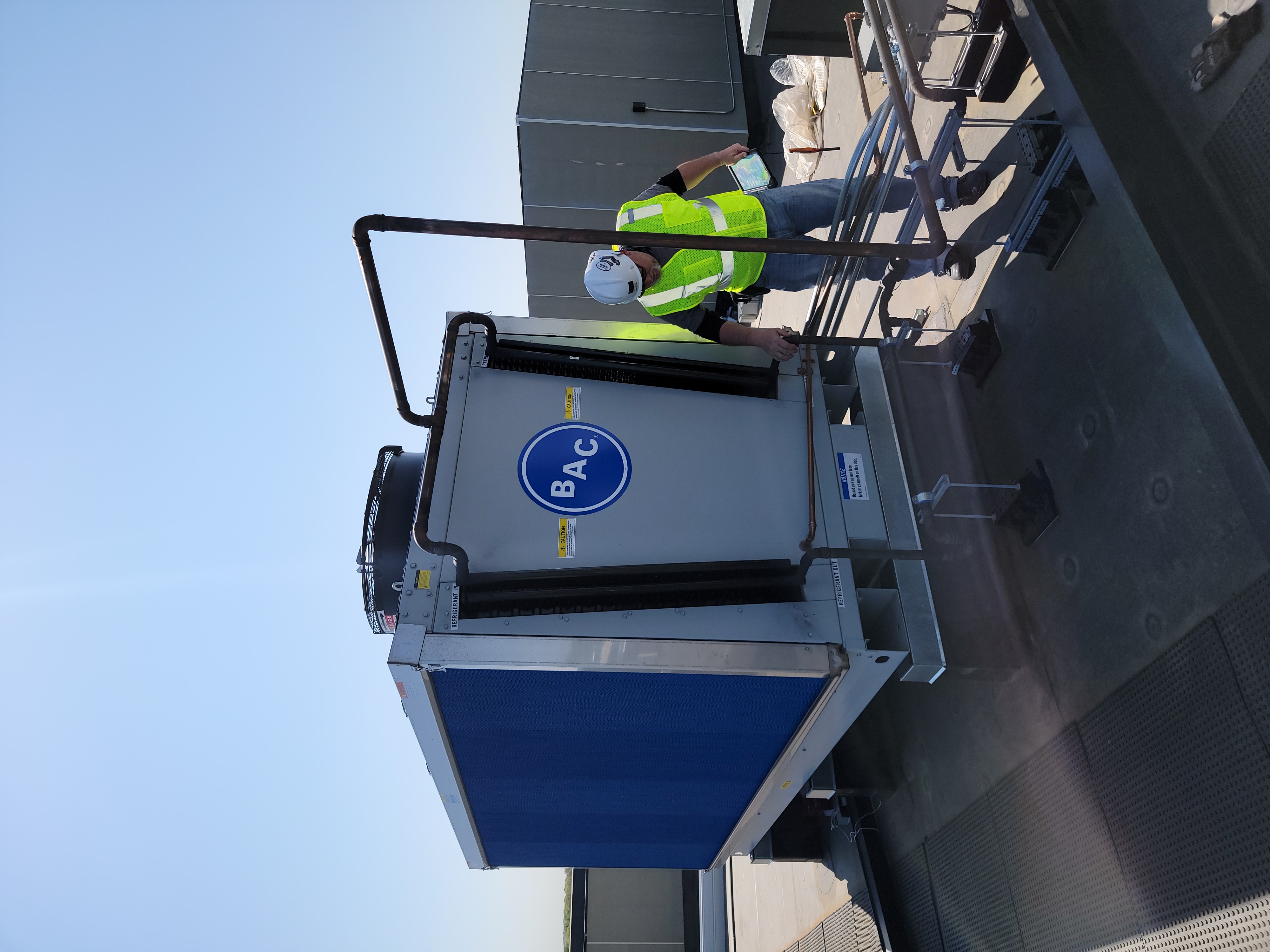
Technician inspecting rooftop mechanical equipment

Existing-building performance

Retro-Commissioning

A field-and-data investigation that finds why existing systems drift, fight one another, or cost more to operate—and follows corrections through verification.

Talk with Singh360

The operating problem

Start with what is actually happening.

Over time, repairs, overrides, sensor drift, schedule changes, control edits, and equipment replacements can leave a building operating far from its intended condition even when no single alarm explains the problem.

See the Singh360 method

What Singh360 does

  • Screen utility, trend, alarm, and service information for priority sites
  • Inspect refrigeration, HVAC, lighting, and controls in the field
  • Trace symptoms across systems to establish root cause
  • Define and prioritize low-cost, repair, controls, and capital actions
  • Coordinate the right trade for each correction and maintain issue status

What to expect

A defined path from scope to verified operation.

The final record explains the root cause, the correction that was made, and the evidence used to confirm how the facility operated afterward.

  1. 01

    Screen and investigate

    Use utility, trend, alarm, maintenance, and site information to focus the field investigation on the right systems.

  2. 02

    Define corrective work

    Separate programming, maintenance, repair, and capital actions; then assign the right contractor or internal owner.

  3. 03

    Retest the result

    Confirm settings, sequences, field response, and relevant trends before an issue is closed.

Typical deliverables

Work products teams can use.

Final scope and format are set for the project. These are the core records that make the work assignable, reviewable, and useful after the engagement.

As-found operating record

Field observations, trends, settings, schedules, alarms, overrides, and system interactions tied to each issue.

Prioritized corrective-action plan

Actions organized by impact, effort, dependency, operational risk, and responsible trade.

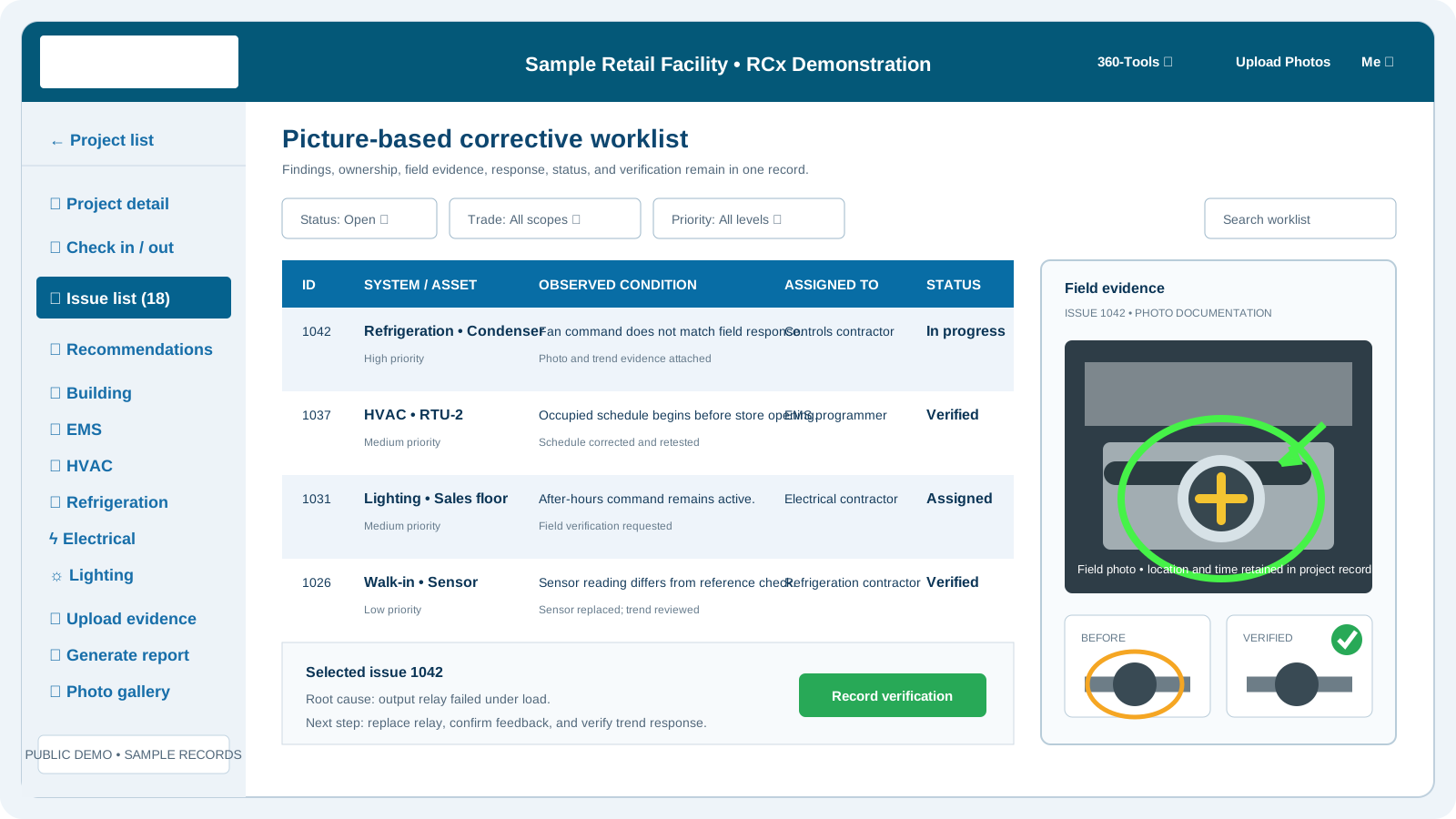
Shared worklist

Photos, responses, status, dates, and retest evidence that keep incomplete work visible.

Verification summary

A clear account of what changed, how it was checked, and what remains open or needs ongoing observation.

Verification standard

The work is not finished when the report is issued.

As-found conditions and intended operation are documented

Settings, schedules, sequences, alarms, and overrides are confirmed

Completed actions are retested in the field or through reliable trend evidence

Results stay tied to the actual scope and measurement period

Field and project evidence

See the operating change—not just the deficiency list.

Historical project evidence illustrates the working method: investigate the condition, document the work, give field teams usable tools, and compare operation after implementation.

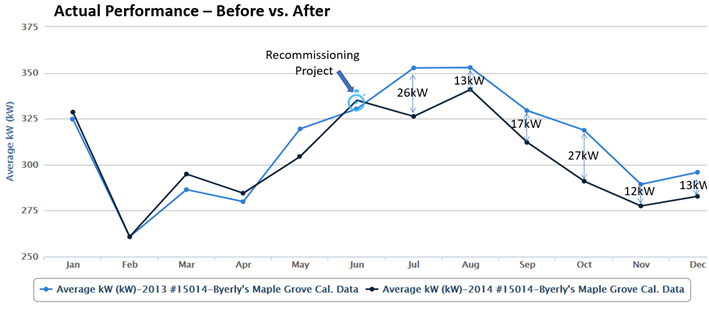
Historical Lunds and Byerlys average kilowatt before-and-after retro-commissioning comparison
Historical Lunds & Byerlys comparison from a defined project scope and period.
Public-safe Singh360 picture-based field issue and corrective-work workflow
A picture-based worklist connects each finding to ownership and closure status.
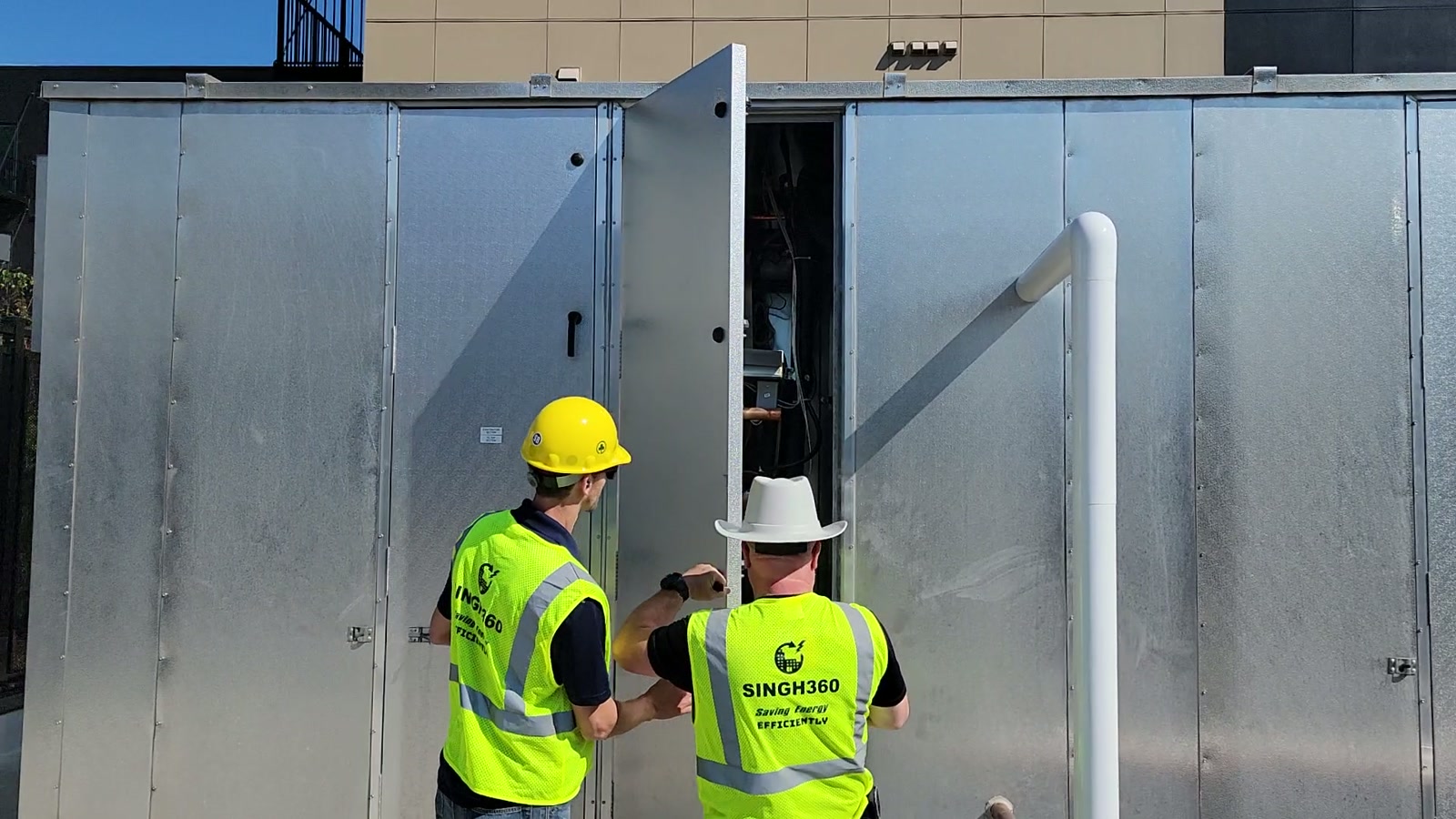
Singh360 technicians inspecting rooftop mechanical equipment during retro-commissioning
Field investigation connects operating data to the actual equipment condition and control response.
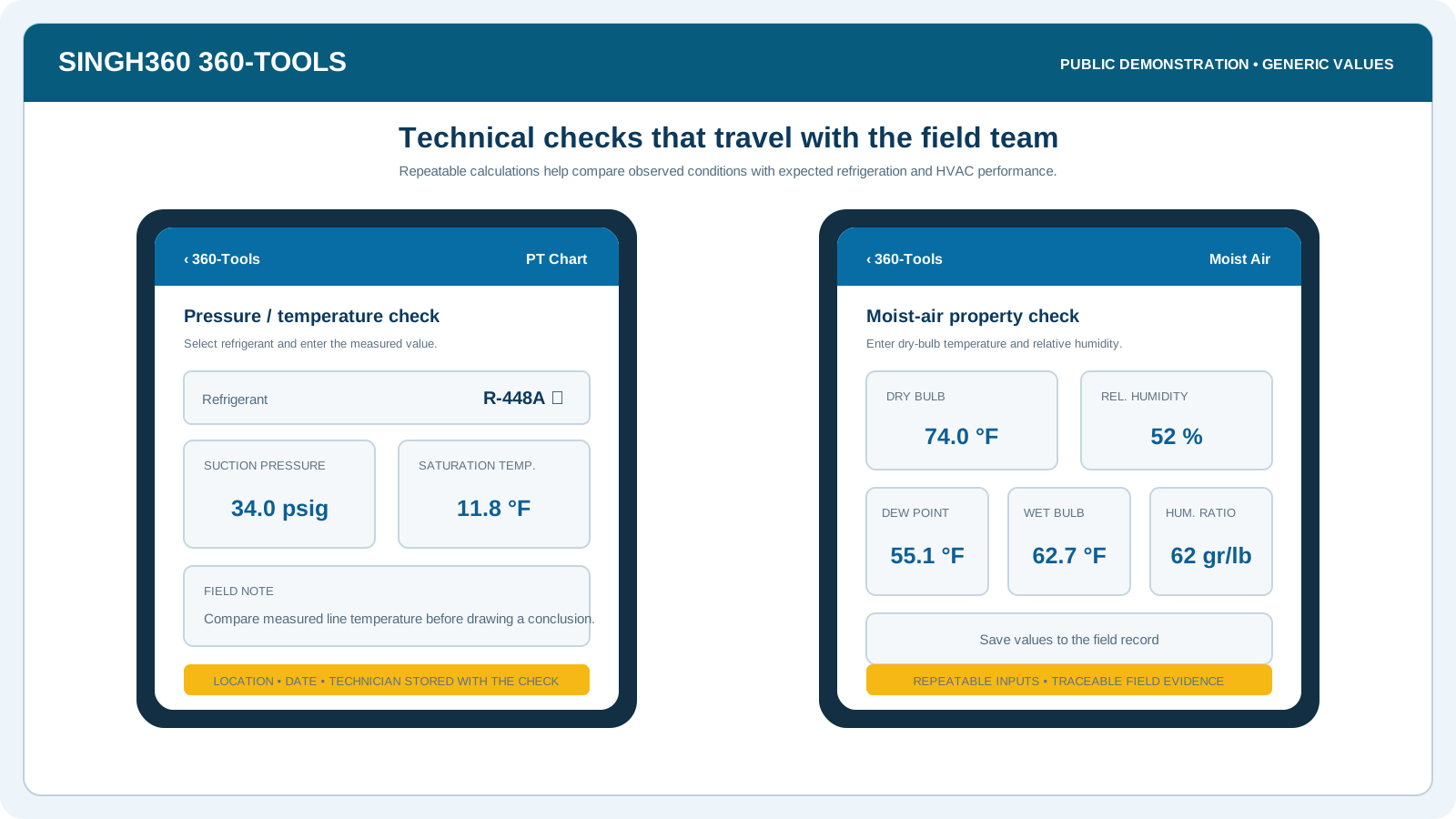
Public-safe Singh360 refrigeration and HVAC field-calculation tools
Technical tools support repeatable field checks and informed diagnosis.

The graph is historical project evidence. It is not a general savings promise; results depend on the site, scope, corrections, operating period, and measurement method.

Related project and technical evidence

Read the work behind the service.

Technical article · March 22, 2016

Retro-Commissioning Programs at Two Grocery Chains

This 2016 article reviews retro-commissioning work at Strack & Van Til and Coborn's and records project-specific savings and payback expectations available at that time. The source reports 8% to 12% average savings over four months for one program and describes incentive-supported payback expectations for the other.

Read the full page

Technical article · August 6, 2018

A 2018 ComEd Retro-Commissioning Program Workflow

This 2018 article describes how Singh360 participated in the ComEd Energy Efficiency Program for retro-commissioning work in Chicago and northern Illinois. It outlines the program structure that was presented at the time, including an initially funded study and incentives tied to verified reductions.

Read the full page

Discuss retro-commissioning.

Start with the site, system, project, or recurring condition. Singh360 can help define the evidence, scope, responsible parties, and path to verified operation.

Talk with Singh360