
1-530-636-0360
App Login
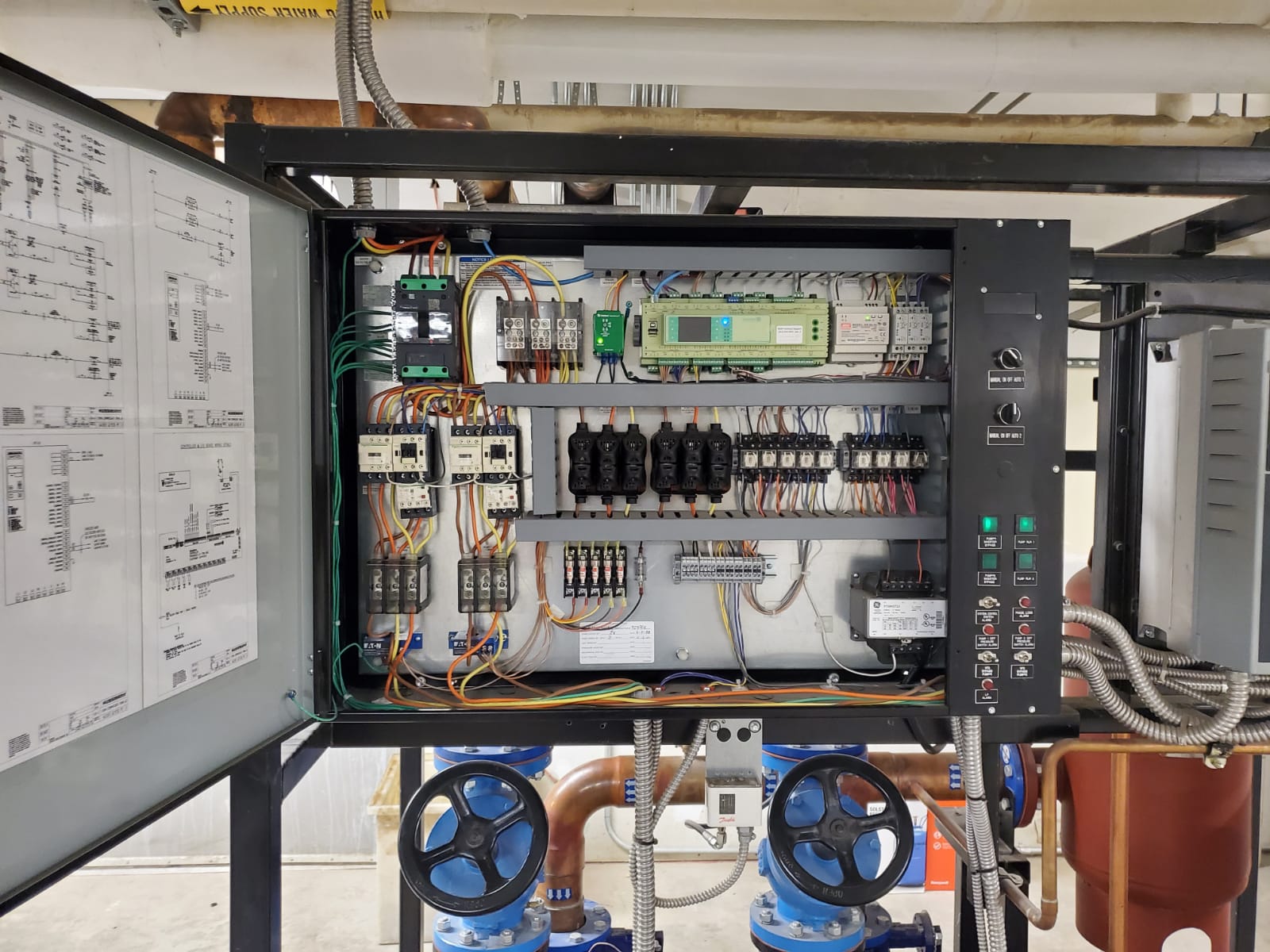
Open electrical and controls cabinet during a technical audit

Opportunity discovery

Energy Efficiency Audits

Technical audits that connect utility use to field conditions, controls behavior, equipment operation, and realistic corrective work.

Talk with Singh360

The operating problem

Start with what is actually happening.

A list of theoretical measures is not enough. Owners need to know which conditions actually exist, what is causing them, what must change, and how each recommendation fits operations and maintenance priorities.

See the Singh360 method

What Singh360 does

  • Review utility, interval, EMS/BMS, equipment, and maintenance information
  • Survey refrigeration, HVAC, lighting, controls, and relevant process loads
  • Identify operational, controls, repair, and capital opportunities
  • Estimate impact using stated assumptions and available evidence
  • Organize actions by effort, dependency, risk, and owner priority

What to expect

A defined path from scope to verified operation.

Recommendations arrive with a documented condition, a practical action, stated assumptions, and enough context for the owner to prioritize implementation.

  1. 01

    Establish the baseline

    Review utility, interval, controls, equipment, maintenance, and facility information before the site visit.

  2. 02

    Test the explanation

    Compare analytics with actual field conditions so recommendations address observed causes rather than generic possibilities.

  3. 03

    Build an actionable portfolio

    Organize measures by ownership, dependency, effort, risk, and the evidence required after implementation.

Typical deliverables

Work products teams can use.

Final scope and format are set for the project. These are the core records that make the work assignable, reviewable, and useful after the engagement.

Site and data review

Utility history, operating context, equipment inventory, known changes, and data-quality limitations.

Field findings

Photos, measured conditions, settings, schedules, and cross-system observations tied to specific locations.

Measure register

Recommended action, rationale, responsible trade, dependencies, assumptions, and priority for each measure.

Implementation-ready handoff

A work structure that can move directly into contractor coordination, tracking, and verification.

Verification standard

The work is not finished when the report is issued.

Recommendations are tied to observed conditions

Dependencies and operational constraints are stated

Measures can be assigned and tracked after the audit

Savings are separated into estimates, measured results, and historical evidence

Field and project evidence

Analytics focus the field investigation.

Portfolio comparisons and historical operating views help identify where to look. The audit then verifies what is actually happening at the facility.

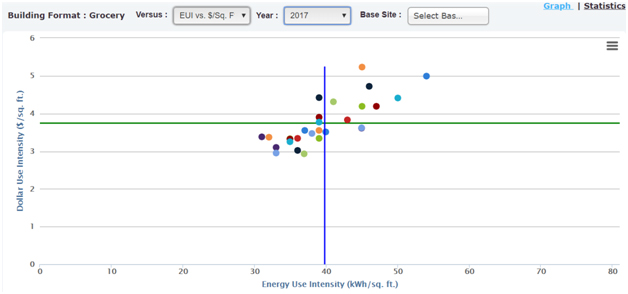
Historical grocery portfolio chart comparing energy use intensity and utility cost intensity
An archived portfolio comparison illustrates how peer context can focus deeper investigation.
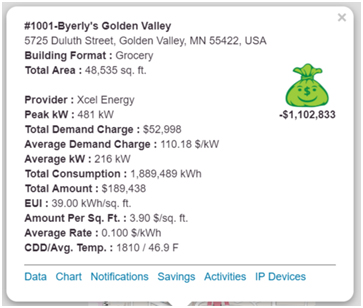
Historical site information panel with demand, energy, area, and weather details
Site context keeps comparisons grounded in facility size, rates, demand, weather, and operating conditions.
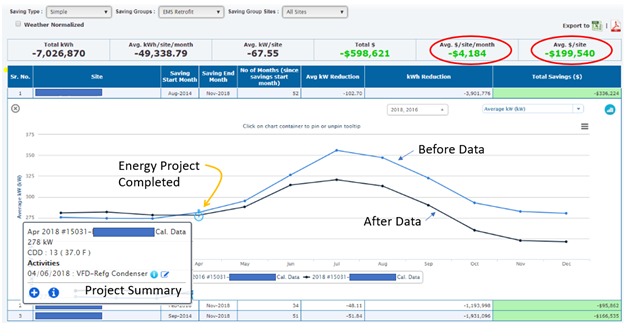
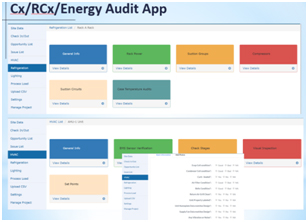
Historical Singh360 commissioning retro-commissioning and energy audit application interface
A structured field application keeps observations and equipment records consistent across sites.

These archived interface views illustrate analysis and documentation methods. Current project screens and fields are configured to the engagement.

Related project and technical evidence

Read the work behind the service.

Discuss energy efficiency audits.

Start with the site, system, project, or recurring condition. Singh360 can help define the evidence, scope, responsible parties, and path to verified operation.

Talk with Singh360