1-530-636-0360
App Login
Large-facility rooftop equipment subject to demand control

Peak-load strategy

Demand Management

Demand strategies that account for utility structure, controls capability, refrigeration, HVAC, lighting, and real operating limits.

Talk with Singh360

The operating problem

Start with what is actually happening.

Reducing a peak is not simply switching equipment off. Loads must be sequenced without compromising product, comfort, process needs, or equipment reliability.

See the Singh360 method

What Singh360 does

  • Review rate structure, interval data, peak drivers, and seasonal conditions
  • Identify controllable loads and operational constraints
  • Develop staged, reset, and scheduling strategies
  • Coordinate EMS programming and operator response requirements
  • Test the strategy and monitor actual performance

What to expect

A defined path from scope to verified operation.

A demand strategy identifies the actual peak drivers, defines safe control stages, and shows whether the response occurred within the applicable demand interval.

  1. 01

    Read the rate and load shape

    Establish demand intervals, seasonal rules, coincident conditions, site peaks, and the operating events behind them.

  2. 02

    Design safe stages

    Sequence available loads with explicit limits for refrigeration, comfort, process, equipment, and operator response.

  3. 03

    Test and tune

    Verify each stage, watch recovery behavior, preserve override visibility, and compare the result to the utility interval.

Typical deliverables

Work products teams can use.

Final scope and format are set for the project. These are the core records that make the work assignable, reviewable, and useful after the engagement.

Demand and rate assessment

Peak history, load drivers, interval definition, operating context, and tariff assumptions.

Control-stage matrix

Loads, sequence, trigger, duration, limits, lockouts, recovery, and operator authority for each stage.

Programming and test plan

Required points, logic, graphics, alarms, trends, test conditions, and acceptance criteria.

Performance record

Observed response, constraints, recovery behavior, and interval-based comparison after implementation.

Verification standard

The work is not finished when the report is issued.

Control stages operate in the intended order

Product, comfort, and process constraints remain protected

Operators can see and override the strategy appropriately

Results are evaluated against the applicable utility demand interval

Field and project evidence

A peak has a cause, a duration, and operating constraints.

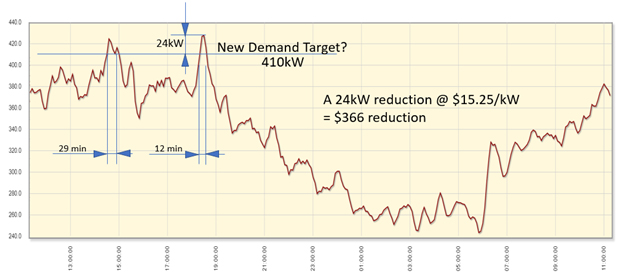
Historical traces show why demand work must be interval-aware. A lower load for a few minutes only matters when it aligns with the applicable billing interval and protects facility operation.

Historical demand trace annotated with a short-duration load reduction and target
Archived demand trace illustrating timing, target setting, and the importance of the demand interval.
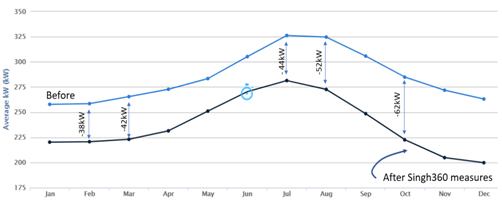
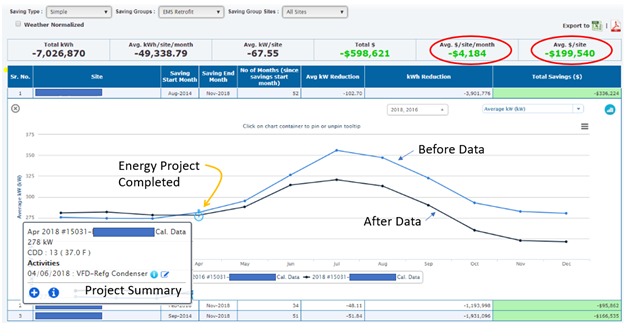
Historical average kilowatt comparison before and after site measures
Historical project comparison from a specific site and period; it is not a forecast for another facility.
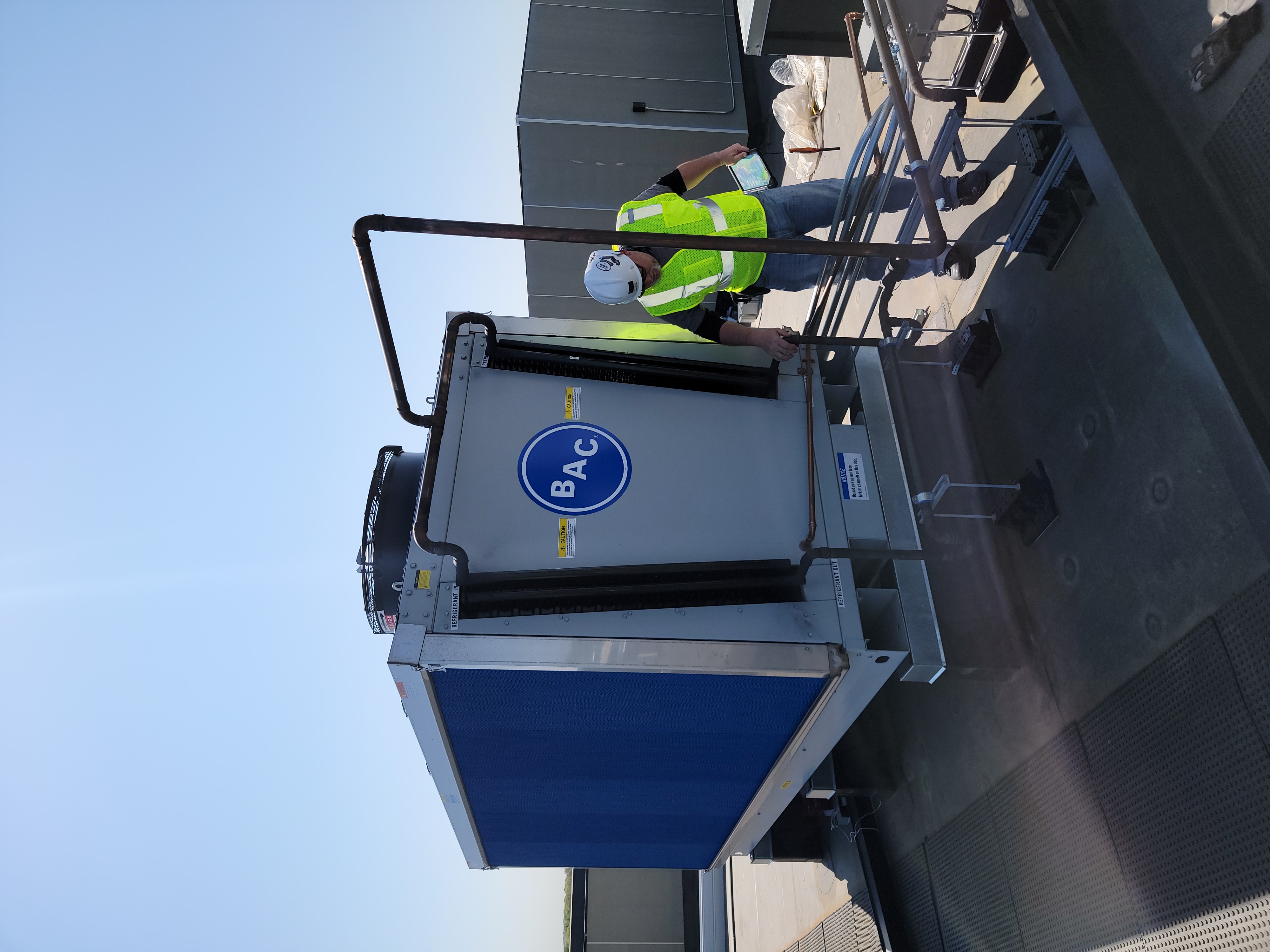
Large rooftop HVAC equipment that may participate in a coordinated demand strategy
Controllable loads must be sequenced around equipment limits, comfort, and recovery behavior.

Historical charts are provided as examples of analysis. Project results depend on the tariff, site load, controls capability, operating constraints, and test conditions.

Related project and technical evidence

Read the work behind the service.

Discuss demand management.

Start with the site, system, project, or recurring condition. Singh360 can help define the evidence, scope, responsible parties, and path to verified operation.

Talk with Singh360